
Equity vs. Debt: Which Funding Model is Right for Your Business?
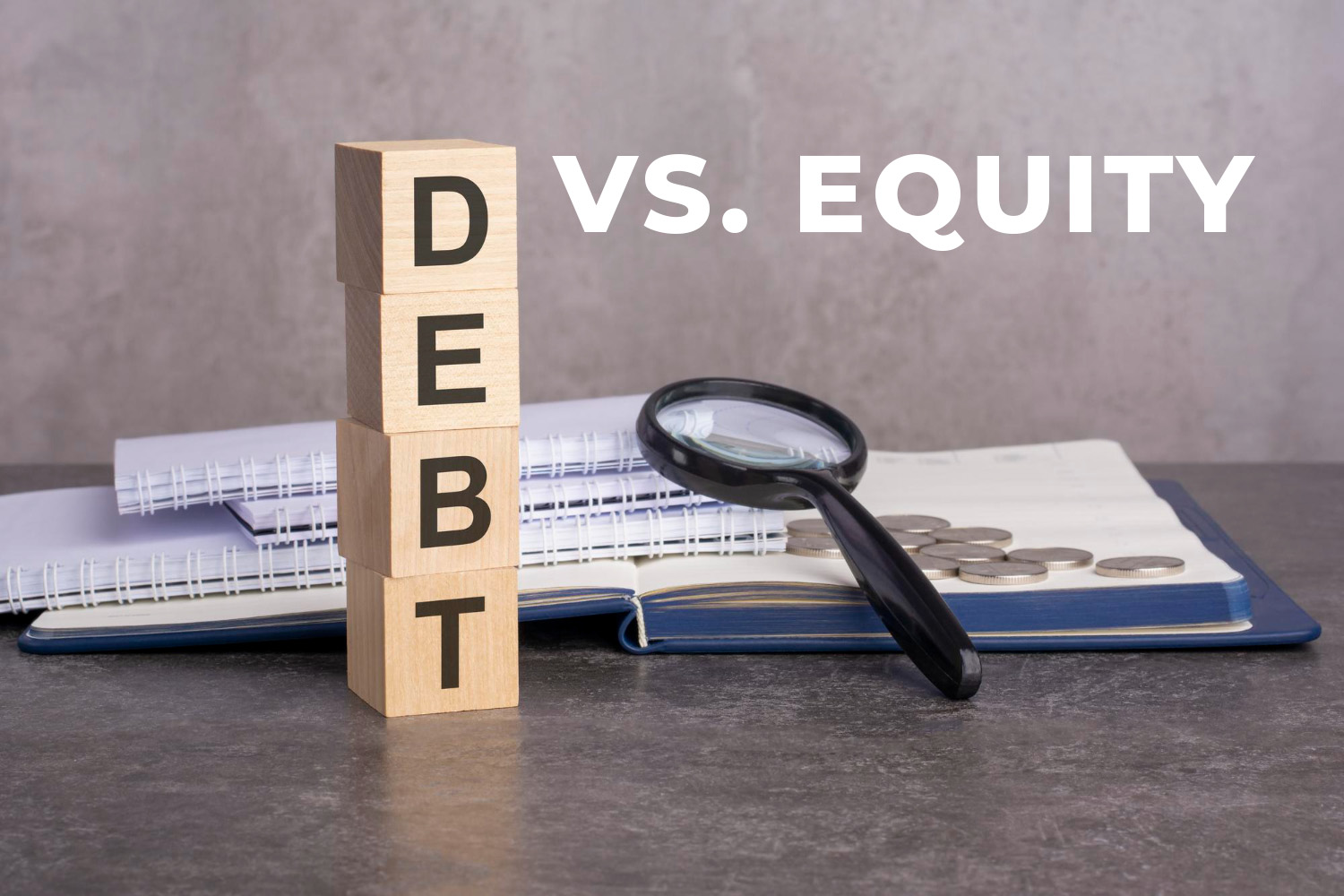
Choosing between equity and debt financing is a critical decision that can significantly impact the future of your business. Each option offers distinct advantages and drawbacks and the right choice depends on your company’s financial situation, growth stage, and long-term goals.
Debt Financing: Keeping Control, Adding Pressure
Debt financing involves borrowing money from a lender and repaying it over time with interest. The key advantage of debt is that you retain full ownership of your business. It also allows you to build credit and may offer tax benefits through deductible interest payments.
However, debt comes with the obligation of regular repayments, regardless of your revenue. For early-stage or cash-strapped businesses, this pressure can hinder growth and increase risk. It’s best suited for companies with stable cash flow and a clear repayment plan.
Equity Financing: Shared Risk, Shared Reward
Equity financing involves raising capital by selling shares of your business to investors. This option brings in funds without the burden of debt repayments, allowing you to reinvest earnings into growth. It also often comes with strategic guidance and access to broader networks via your investors.
The downside? Dilution of ownership. You give up a portion of your business and may have to share decision-making authority. Over time, this can affect your strategic direction.
Which Is Right for You?
There’s no one-size-fits-all answer. Start-ups and scale-ups looking for flexibility and strategic partnerships may benefit from equity. More established companies with predictable revenues may prefer debt to avoid dilution.
At Structured Capital Solutions, we assess your business needs holistically to craft a funding strategy that supports your long-term vision. Whether it’s debt, equity or a hybrid model, our advisory team can help you secure the right capital, on the right terms.

