
How Rising Global Interest Rates Affect SME Funding in South Africa (And What You Can Do About It)
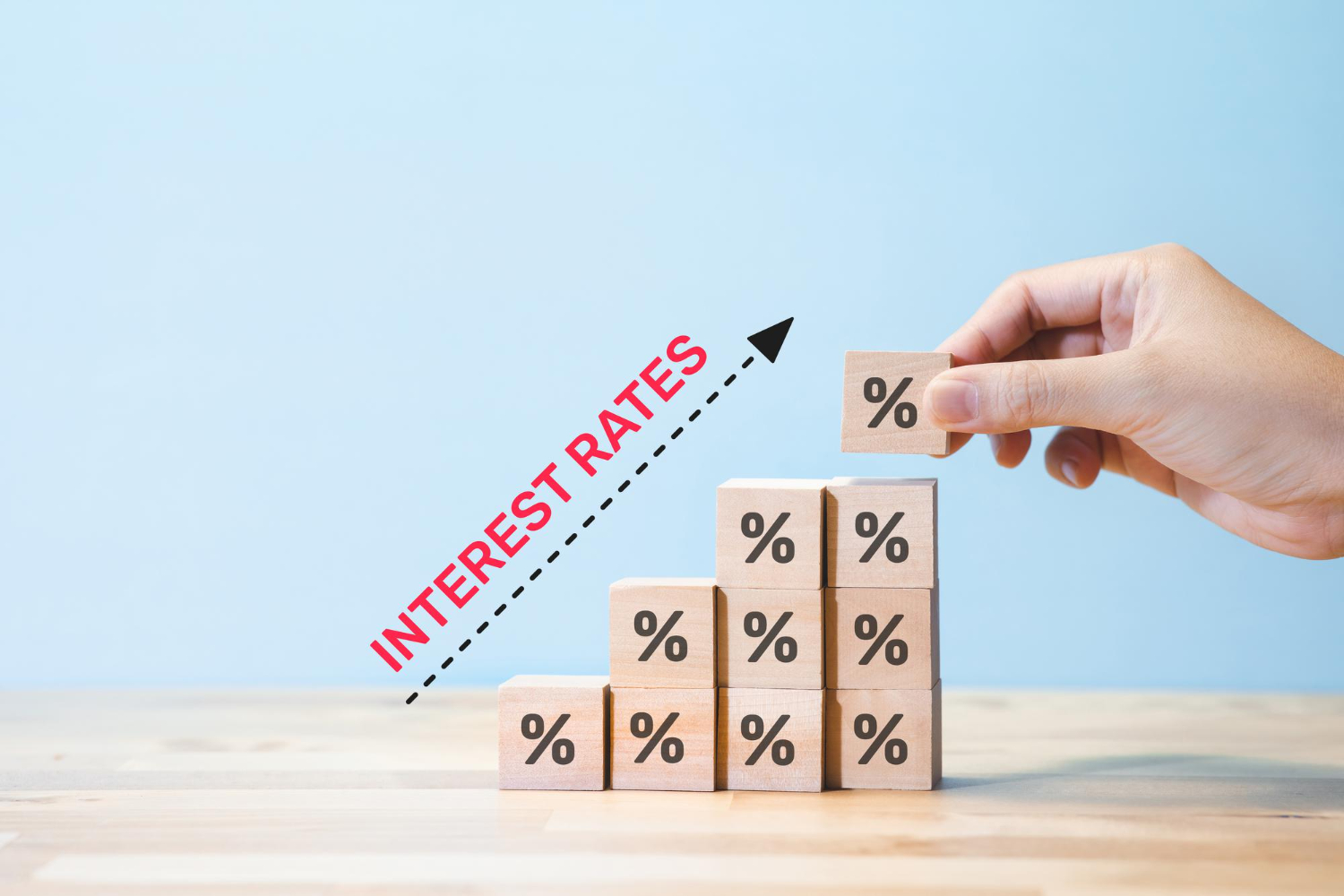
If you’ve felt like borrowing money has become slightly… uncomfortable lately, you’re not imagining it.
When central banks like the US Federal Reserve and the European Central Bank raise interest rates to fight inflation, the ripple effects don’t politely stop at their borders. Those global shifts influence capital flows, investor appetite, currency strength, and ultimately the cost of funding here in South Africa.
Even the South African Reserve Bank tends to adjust its stance in response to global movements to protect the rand and manage inflation. The result? Higher borrowing costs, stricter credit assessments, and lenders who suddenly ask a few more probing questions.
For SMEs, this can feel like running uphill in a headwind.
So what does this actually mean for your business?
- Debt is more expensive. Monthly repayments increase, squeezing cash flow.
- Funding approvals take longer. Lenders are cautious in uncertain environments.
- Equity investors demand stronger returns. Capital is selective and disciplined.
But here’s the good news: higher rates don’t mean growth must stall.
Smart Moves in a Higher-Rate Environment
Stress-test your cash flow.
If rates tick up another 1–2%, can you absorb it? Planning ahead beats scrambling later.
Refinance strategically.
Consolidating expensive short-term debt into structured facilities can stabilise repayments.
Strengthen your funding narrative.
Clear management accounts, strong forecasts and a well-articulated growth plan dramatically improve lender confidence.
Explore alternative funding structures.
Not all capital is created equal. Blended finance, mezzanine structures or revenue-linked instruments may provide flexibility where traditional loans tighten.
Most importantly, don’t retreat into “wait and see” mode. Businesses that adapt early tend to outperform once cycles turn.
Yes, the global rate environment may feel beyond your control. But your financial structure? Your liquidity strategy? Your preparedness? That’s firmly within it.
In volatile times, discipline becomes a competitive advantage. And those who position themselves wisely today are often the ones accelerating tomorrow.

